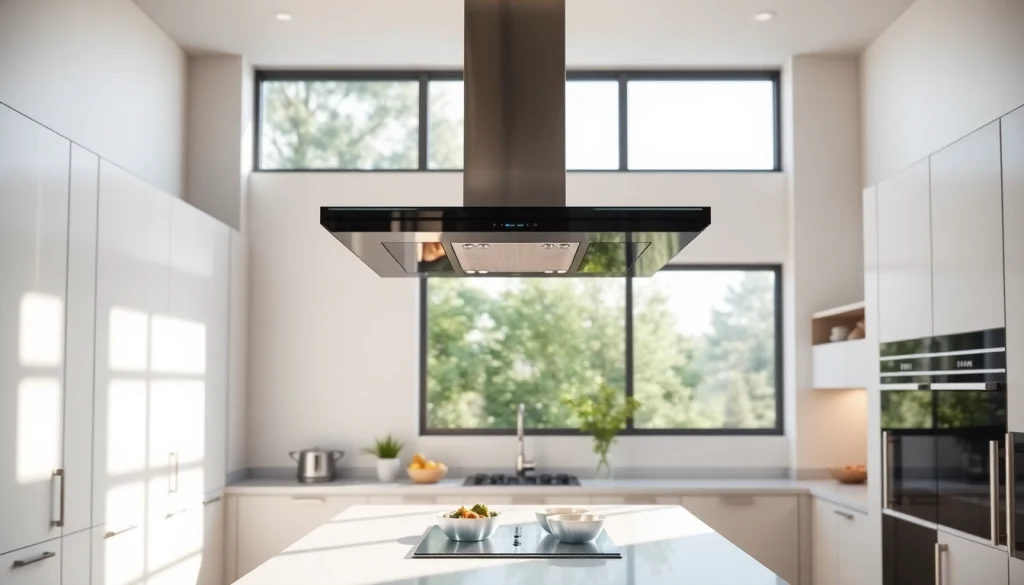
Understanding the Island Cooker Hood
What is an Island Cooker Hood?
An island cooker hood, also known as an island range hood, is a type of kitchen ventilation appliance specifically designed to be installed over a cooking surface situated on a kitchen island. Unlike traditional range hoods that are mounted to the wall, island cooker hoods are suspended from the ceiling, providing a clean and unobstructed look while effectively removing smoke, grease, and cooking odors from the air. This convenient placement makes them not only functional but also a focal point in modern kitchen designs.
Benefits of Island Cooker Hoods
Island cooker hoods offer several advantages that appeal to both functionality and aesthetics:
- Effective Ventilation: By allowing for a more direct path for smoke and odors to escape, island cooker hoods improve air quality in open kitchen designs.
- Design Versatility: These hoods come in a variety of designs, materials, and finishes, enhancing the overall aesthetic appeal of the kitchen.
- Space Saving: They help to maximize the kitchen workspace by eliminating the need for bulky cabinetry or wall-mounted hoods.
- Easy Cleaning: Many models feature removable filters and materials that are easy to clean, making maintenance straightforward.
Different Types and Designs
There are various types of island cooker hoods available, tailored to fit different kitchen styles and ventilation needs:
- Ducted Island Hoods: These hoods vent air outside the home, providing optimal odor and smoke removal.
- Ductless Island Hoods: Ideal for apartments or where venting isn’t feasible, these use charcoal filters to purify the air before recirculating it back into the kitchen.
- Canopy Hoods: Featuring a hood that extends over the cooking area, they are often more decorative and can add a vintage or contemporary touch.
- Chimney Hoods: These have a sleek appearance with a chimney-style duct rising from the hood, blending into modern kitchen layouts.
Key Features to Look For
Ventilation Performance
The effectiveness of an island cooker hood heavily depends on its ventilation performance. Look for models with:
- CFM Rating: The Cubic Feet per Minute (CFM) measures airflow. Higher CFMs are essential for heavily used cooking areas. As a general rule, aim for 100 CFM for each linear foot of the cooktop.
- Multiple Fan Speeds: A multi-speed fan allows for customized ventilation, accommodating different cooking methods and the volume of smoke generated.
- Airflow Direction: Many models have adjustable airflow directions for targeted ventilation.
Noise Levels and Efficiency
Noise levels can significantly impact your cooking experience. Choose island cooker hoods that maintain a balance between strong performance and quiet operation. Features to consider include:
- Decibel Rating: Look for models with lower decibel levels, ideally below 60 dB for quieter operation.
- Energy Efficiency: Energy-efficient models will save money on utility bills over time while providing robust performance.
Design and Aesthetic Considerations
The design of your island cooker hood should align with your kitchen’s aesthetic. Factors to consider include:
- Finish and Material: Stainless steel is popular for contemporary kitchens, while glass and copper provide vintage charm.
- Size: Ensure the hood is proportionate to the size of your kitchen island and cooking surface. A general rule is to have the hood extending at least 3 inches beyond the cooktop on all sides.
- Lighting Options: Integrated LED lighting can enhance visibility while cooking and add ambiance to your kitchen.
Installation Tips and Best Practices
Preparing Your Kitchen Space
Before installation, it’s crucial to prepare your kitchen space. Key considerations include:
- Electrical and Ventilation Planning: Ensure that your electrical outlets are configured to handle the hood’s power needs, and confirm that there is a path for ductwork if a ducted model is chosen.
- Measurements: Measure the height and space available for installation to ensure proper fit and accessibility.
- Clearance Requirements: Ensure there is adequate space between the cooktop and the hood—typically 30-36 inches for optimal performance and safety.
Installation Steps Overview
While specific installation methods may vary by model, a general overview of the steps includes:
- Install mounting brackets to secure the hood to the ceiling.
- If ducted, drill an exit hole for venting, ensuring it is aligned with the hood’s ducting.
- Connect the electrical supply to the hood, observing local building codes.
- Attach the ductwork (if applicable) securely to both the hood and the external vent.
- Test the installation for stability and proper operation.
Hiring a Professional vs. DIY
Deciding on whether to install the hood yourself or hire a professional depends on your comfort level and expertise. DIY installations can save money but require time and a certain skill level. On the other hand, hiring a professional ensures that the installation adheres to local codes and is performed safely and effectively, providing peace of mind.
Maintenance for Optimal Performance
Regular Cleaning and Care
To keep your island cooker hood functioning efficiently, regular maintenance is essential. Consider the following:
- Filter Cleaning/Replacement: Clean or replace grease filters monthly to maintain optimal airflow and prevent odors.
- Surface Cleaning: Wipe down surfaces regularly with suitable cleansers to prevent buildup on both the hood and filters.
- Professional Servicing: Schedule a thorough annual inspection with a certified technician to identify any potential issues.
Troubleshooting Common Issues
Some common challenges can arise with island cooker hoods, such as:
- Insufficient Airflow: Check for blocked filters or ductwork that may need servicing.
- Excessive Noise: This could be due to fan failure—consult the manual for solutions or consider replacement if it’s a recurring issue.
- Lighting Issues: If lights fail to work, ensure bulbs are properly installed and functioning.
When to Seek Professional Help
If you encounter persistent issues despite your efforts, or if you’re uncomfortable addressing complicated repairs, contacting a professional technician is advisable. They can provide diagnostic services and repairs to ensure your island cooker hood remains in top condition.
Popular Brands and Model Recommendations
Top-Rated Island Cooker Hoods
Several brands are highly regarded for their quality and performance in island cooker hoods. Some of the top names include:
- Broan-NuTone: Well-known for a range of products that blend durability with stylish designs.
- Zephyr: Offers innovative designs and high-performance options with modern aesthetics.
- Elica: This brand emphasizes design and technology, boasting hoods that are both visually appealing and efficient.
Comparing Price Points
Pricing for island cooker hoods can vary dramatically. Factors influencing price include brand, size, features, and efficiency. Generally, expect to pay anywhere from $300 to $2,000, depending on these variables. It’s essential to balance features with budget constraints to determine the best fit for your kitchen.
User Reviews and Feedback
When considering various models, checking user reviews can provide valuable insights. Look for feedback on performance, ease of installation, noise levels, and overall satisfaction. Reviews on retailer websites and specialty forums can guide you in making an informed decision.